Artist of the week | November 23 to 30, 2026 | Miami
Lee Pivnik: a home inside a changing ecology
The Miami artist turns to fungi, plants and Florida's waterways to ask what it might mean to live with an environment rather than simply occupy it.
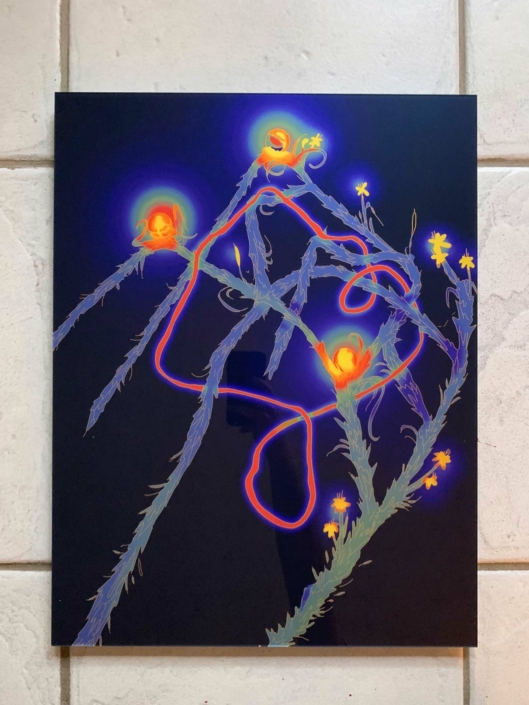
A house usually draws a line between the people inside and the environment outside. Lee Pivnik's work makes that division harder to maintain. Plants, animals and fungi are not simply subjects to depict. They are models for relationships: ways of sharing a place, changing it and being changed by it. For an artist living in Miami, those relationships are not a distant thought experiment. They shape the question of how to keep making a home in a city exposed to environmental change.
Born in 1995, Pivnik graduated from the Rhode Island School of Design with a BFA in sculpture in 2018. His own biography describes a practice spanning sculpture, drawing and installation, with references to fungal networks, epiphytic plants and structures built by animals in South Florida. That background matters because it gives his ecological interests a material form. A network can become a structure; a way of growing can become a way of arranging an object.
The water holds the evidence
His current contribution to What Water Remembers at Oolite Arts takes the form of photography. The exhibition's account follows the series from the Greater Everglades to the springs of North Florida. Landscapes, signs and traces of ecological decline register changes in biodiversity and the consequences of environmental mismanagement. The shift to photographs does not abandon his interest in relationships. It moves the question into places where the effects of those relationships can be recorded.
The group exhibition, curated by Sara Cluggish, places Pivnik alongside seven artists working with water's connections to memory, migration, extraction and environmental change. That is useful context, but it should not flatten their differences. Pivnik's Florida photographs belong to a particular geography. In the show's larger conversation, they offer a local point of entry rather than a picture meant to stand for every threatened landscape.
A home as a long-term project
Oolite's resident biography also describes Symbiotic House, a project Pivnik began in 2022. It proposes the home as a site for climate care and adaptation, with the ambition of developing a nature-culture learning center. The distinction between a proposal and a finished place is important here. The project is described as something that will grow, not a completed visitor attraction. Its interest lies in treating domestic life as an ongoing experiment in reciprocity.
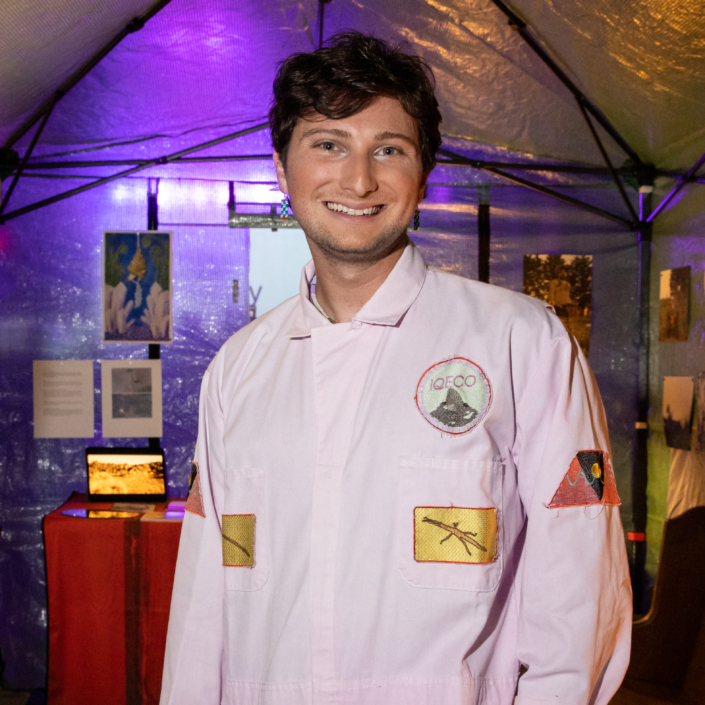
The same concern extends into collective work. Pivnik founded and co-directs the Institute of Queer Ecology, whose projects move between producing artworks and organizing programs with other artists. His individual practice and the collective are related, but not interchangeable. Looking at both makes clear that ecology, for him, is not only a subject within a work. It is also a question about how work gets made and who gets to participate.
What makes Pivnik worth following now is that movement between an object, a photograph, a household and a collaboration. Each offers a different scale at which to test a relationship. The exhibition gives visitors a chance to begin with the photographs, while the longer projects suggest what might happen after looking: a change in the terms on which a place is inhabited.
What Water Remembers
November 18, 2026 to February 7, 2027
Oolite Arts, 924 Lincoln Road, 2nd floor, Miami Beach, Florida
Sources checked November 23, 2026: artist biography · Oolite resident page and images · current exhibition.
A source-based artist profile, not an in-person exhibition review. The current show's photographs are discussed from the organizer's account; the earlier work above is not presented as an installation view of that exhibition. Check the venue for visitor hours.